The History of Tarso Hotel
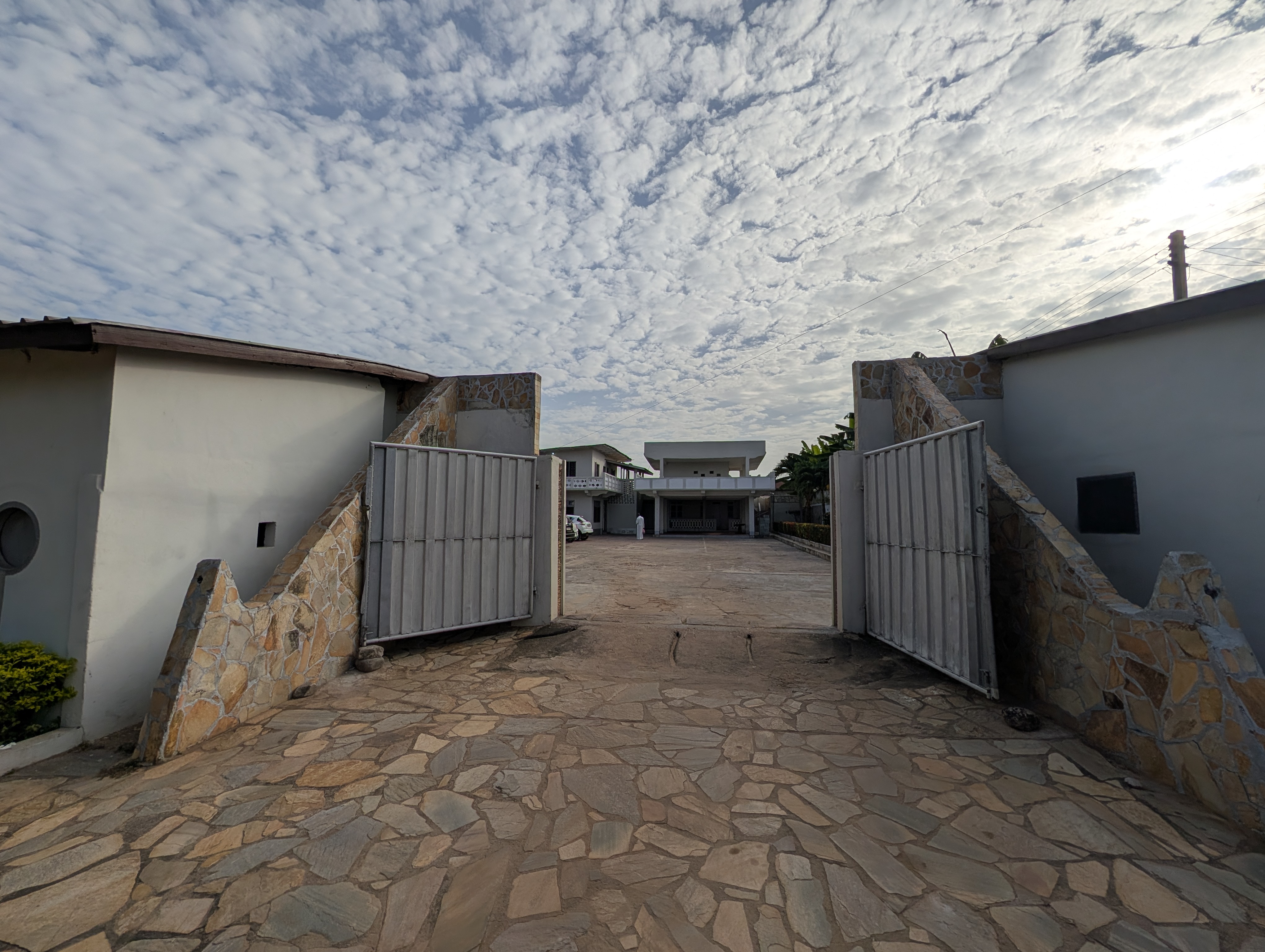
Tarso Hotel.
That’s where I spent the first few years of my life getting up to no good and a lot of joyful mischief. My mother will tell you I was a stubborn child. But I’ll tell you, her memory weakens as age takes its toll. Muhahahaha!
But I can tell you this. That’s where I felt love growing up.
It’s also where I experienced my first cinema amongst many firsts. Don’t ask me what I was watching. All I’ll say is, they definitely weren’t 4 -year-old friendly. But I enjoyed them a whole lot.
Tarso Hotel is my family’s legacy starting from my grandpa, and now, my dad’s. After he’s gone, I wonder whose legacy it’ll become. I doubt it’ll be mine or any of my siblings’, as we’re not as attached to it as we should or could be. Actually, who am I kidding. It’s been part of my growing up that saying there’s no attachment from me is a big fat lie. Although I promise, I ain’t no liar. Nuh uh!
What the hell is Tarso Hotel though? Honestly? I wonder too. Beyond being where I grew up and spent my formative years with a million aunts, and cousins, and uncles, and family friends and a bunch of strangers who all tell me they carried me when I was a baby, it's also a family legacy.
I asked my pops and mums, then reviewed some Facebook posts and did some digging and with Gemini’s assist, below is the story of Tarso Hotel.
The Legacy of Tarso Hotel: A Pillar of Ho’s History
A Narrative of Vision, Heritage, and Tropical Modernism
In 1956, as Ghana stood on the eve of independence, a landmark event in Ho signaled the dawn of a new era for the Volta Region. Lord Listowel, the nation’s last Governor-General, officially cut the sod to open what would become a regional legend.
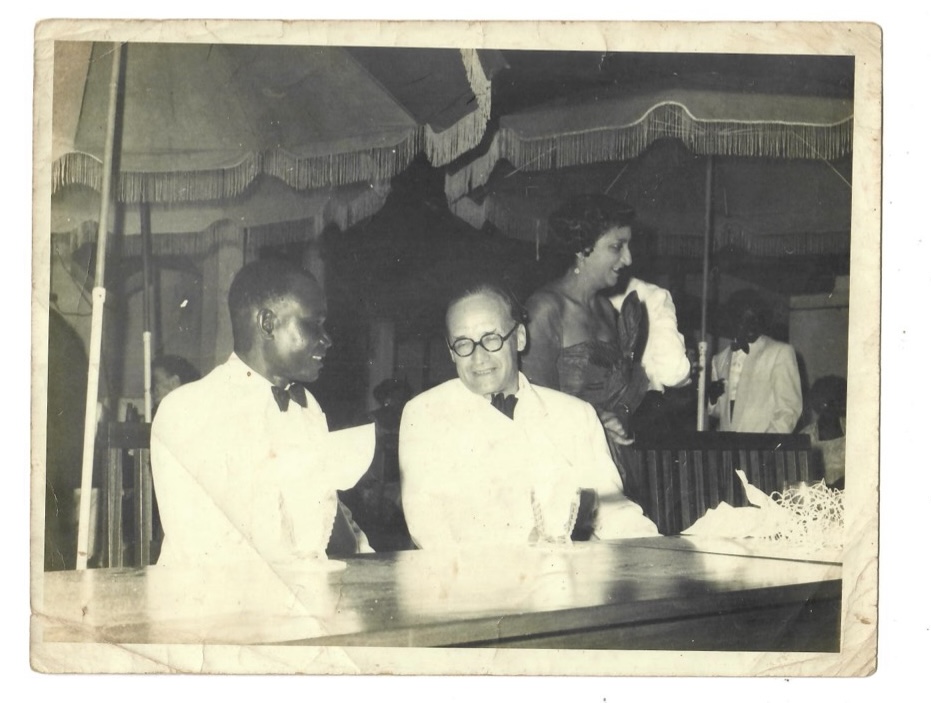
While known today as a landmark hotel, its story began as Weekend in Tarso, a vibrant bar that served as the social seed from which a grand legacy would grow. As the first hotel established in the region, its opening was a monumental achievement for the Trans-Volta Togoland era—a symbol of indigenous ambition and the rising prestige of the town.
The hotel was the brainchild of Winfred Elliott Kpodo-Tay, affectionately known to all as "Olu." A titan of the construction industry, Olu was a pioneering building contractor whose work formed the structural backbone of mid-century Ghana.
His firm, the W.E. Kpodo Tay Construction Company, was the primary indigenous force shaping the skyline of a region in transition. His professional reach was vast, serving as the lead contractor for major national projects like the Legon Hospital and the South Labadi Estates in Accra, while simultaneously building Ho’s essential infrastructure, including the Ho District Police Headquarters, the General Post Office, and the Ghana Commercial Bank office.
Central to his success was a family-driven excellence; his brother Rudolph Tetteh Akumani Tay served as a lead carpenter, ensuring the high standards of craftsmanship that defined their era.
The Cultural Heart of the Volta Region
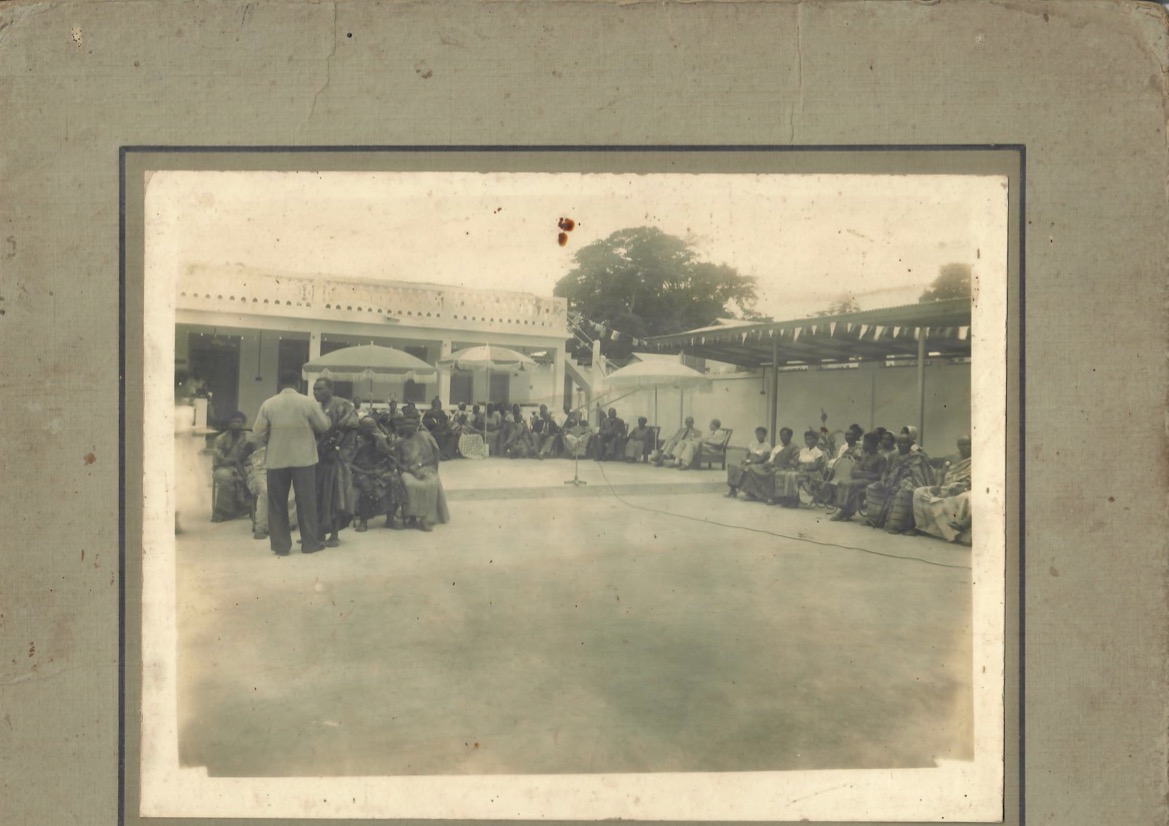
At its peak, the establishment was known as Tarso Hotel and Cinemas, serving as the only cinema in the entire Volta Region. In collaboration with the Ghana Film Industry (the precursor to modern TV3), the hotel became a vital gateway for cinema.
It wasn't just a place for international action films; it was a sanctuary for Ghanaian stories. It famously hosted stalwarts of the Ghanaian screen such as Grace Omaboe (Maame Dokono), Prince Yawson (Waakye), and David Dontoh. However, the eventual decline of the national film industry, brought on by the proliferation of video tapes, eventually saw the cinematic curtains close, though the memories of those packed screenings remain etched in the town's history.
Beyond the silver screen, Tarso was the region's premier "everything" hub. Its halls and courtyards were alive with:
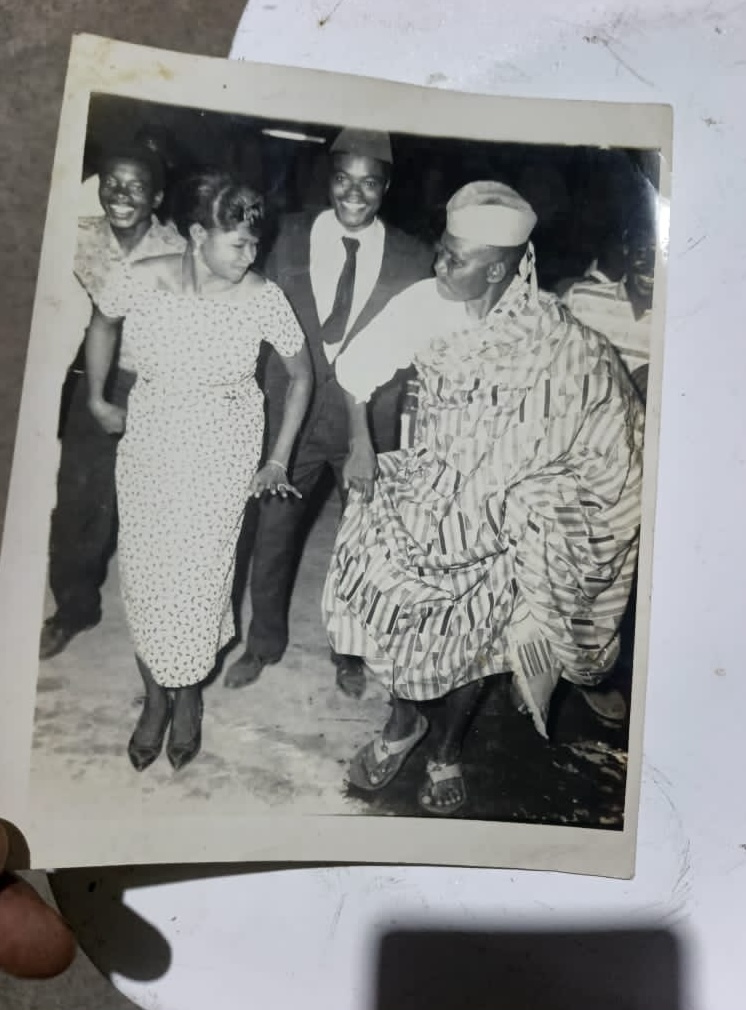
- Performing Arts: Vibrant concert parties, high-stakes beauty pageants, and intense dance competitions.
- Social Graces: The hotel was a school of culture where locals practiced the Waltz and Rock ‘n’ Roll.
- Athletics: It hosted major boxing tournaments and served as a training ground for icons like Jones Ato Quaye (the legendary coach for D.K. Poison).
Perhaps the hotel’s most storied moment occurred when it was visited by the "Greatest of All Time," Muhammad Ali (then Cassius Clay). During his historic visit to Ghana, Ali made his way to Ho, where Olu personally gifted him a majestic Kente cloth, weaving the heritage of the Volta Region into the global history of the boxing legend.
Architecture and Architecture of the Soul
While Tarso Hotel eventually became a public sanctuary, it was originally envisioned and built by Olu as a grand residence for his large family. The name "Tarso" carries a deep spiritual resonance, serving as a localized derivative of "Saul of Tarsus," reflecting the builder’s personal faith and the "soul" he poured into the stone.
The hotel stands on a sprawling estate on Amedzofe Road that features the hallmarks of Tropical Modernism: deep eaves for shade, large airy windows for cross-ventilation, and an open layout that blurred the lines between the indoors and the vibrant life of the courtyard.
The hotel also served as a cradle of professional legacy; it was here that Olu passed the torch to his first official son, the late Architect Daniel Sydney Kpodo-Tay (Efo Dan). Raised observing his father’s mastery on-site, Efo Dan went on to co-found Associated Consultants, the first indigenous architectural firm in Ghana’s history.
Current Legacy
Today, Tarso Hotel remains a proud family legacy under the management of Prosper Kwame Kpodo-Tay. While it has transitioned into a more quiet, budget-friendly motel and underwent renovations in early 2025, it meticulously preserves the unique soul of 1956. It remains a living time capsule—a respectable, soulful monument to the vision of "Olu," the craftsmanship of the Tay family, and the enduring cultural heritage they built together in the heart of Ho.